Benefits of Pendant Lighting for Everyday Living
If you’ve ever walked into a kitchen or dining space and felt like everything worked together, it probably wasn’t by chance.
The way lighting is placed can quietly shape how a room feels and how you move through it each day.
Some spaces feel warmer, more inviting, or simply easier to live in, even if you can’t quite put your finger on why.
So, what are the benefits of pendant lighting?
The benefits of pendant lighting in interior design include creating visual focal points, improving spatial balance, providing targeted task lighting, and enhancing the overall look and atmosphere of a room.
Here’s a closer look at the top benefits of pendant lighting and where it has the biggest impact.
What Are Pendant Lights?
Pendant lights are light fixtures that hang from the ceiling, usually suspended by a cord, chain, or metal rod.
Unlike recessed or flush lighting, pendant lighting brings the light source down closer to where it’s actually needed.
This makes it a popular choice for spaces where both function and atmosphere matter, like kitchens, dining rooms, and living rooms.
Popular Pendant Lighting Styles

One of the reasons pendant lighting works so well in so many spaces is the variety of styles available.
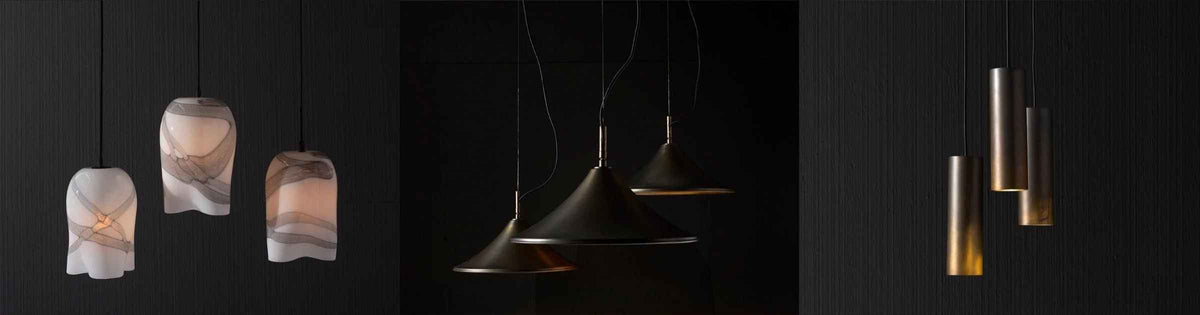
Modern pendants usually have clean lines, simple shapes, and materials like glass or metal. A piece like the Buki I pendant, with its brass and steel construction, brings visual weight to a space without feeling overdesigned.
Vintage styles feel a bit softer and more decorative, while industrial designs often feature darker finishes and exposed bulbs.
With so many options to choose from, it’s easy to find a pendant light that fits your home’s style without taking over the space.
Different Ways Pendant Lights Can Hang

Pendant lights also differ in how they’re installed and used together. A single pendant works well when you need focused light over a specific spot, like a reading chair or small table.
Grouped or multi-light pendants are often used over kitchen islands or longer surfaces, giving you more coverage while still acting as a focal point.
A good example of this is the Aomari Pendant, which combines several hanging lights into one cohesive fixture.
Some pendant designs even function like chandeliers, adding visual interest that draws the eye. This range of options makes pendant lights a practical choice for many different rooms and layouts.
How Pendant Lighting Enhances Home Interiors
Creating Natural Focal Points

Pendant lighting plays an important role in interior design, especially when it comes to creating natural focal points. They naturally draw the eye, particularly when placed over areas where people gather.
In kitchens, pendant fixtures above an island help anchor the space and make it feel intentional.
In dining rooms, a pendant centered over the table creates a clear focal point without the need for extra decor.
Even in living rooms, a well-placed pendant can create an inviting atmosphere in a seating area or reading corner without being overwhelming.
Because pendant lights hang from the ceiling, they bring visual interest down into the room. This helps balance open layouts and keeps spaces from feeling unfinished, especially in homes with higher ceilings.
Supporting the Flow of a Room
Pendant lighting plays a role in shaping both the look and flow of a room. In open layouts, lights hanging from the ceiling can help separate areas without adding walls or dividers.
Placing them over a kitchen island or dining table makes it clear how that area is meant to be used, which helps the space feel more organized and easier to live in.
This approach works especially well in kitchens, where cooking, eating, and spending time together often happen in the same place.
Hanging lights add definition while keeping the room feeling open.
Using Materials to Shape the Look

One of the biggest benefits of pendant lighting is how much flexibility it offers when it comes to materials.
Glass pendants can help a space feel lighter and more open, which works especially well in smaller rooms or kitchens with limited natural light.
A piece like the Alberto pendant, with its clear glass globe and slim profile, adds brightness without visually weighing the space down.
Metal finishes add contrast and definition, making them a strong fit for modern or industrial interiors.
Crystal or textured materials can introduce softness and subtle detail without feeling overdone.
Because pendant lights come in so many styles and finishes, they can complement existing furniture and decor rather than competing with it.
What Are the Functional Benefits of Pendant Lighting?

Practical Task Lighting Where You Need It
One of the main functional benefits of pendant lighting is how well it works as task lighting. Because pendant lights hang closer to work surfaces, they provide focused light exactly where it’s needed.
This is especially helpful in kitchens, where good lighting over counters and islands makes cooking, prep work, and cleanup easier and safer.
Pendant lights also work well in home offices, reading areas, and other workspaces. Instead of lighting an entire room just to focus on one task, pendants allow you to direct light to a specific area.
In many homes, pendant lights provide focused light exactly where it’s needed, without relying on a single ceiling light to do all the work.
Energy Efficient Options for Everyday Use
Another practical benefit of pendant lighting is energy efficiency, especially when paired with LED bulbs. LEDs use less electricity and last longer than traditional bulbs, which can help lower energy costs over time.
Because pendant lights are usually placed over specific areas, you don’t have to light an entire room when you only need light in one spot. This helps reduce wasted energy while still giving you clear, useful lighting.
Many modern pendant fixtures are designed to work with energy-efficient bulbs, making them a smart option for homeowners who want to save on electricity without sacrificing comfort or style.
Best Pendant Lighting Ideas for Different Rooms
Using Pendant Lighting in Kitchens
Pendant lighting is a natural fit for kitchens, especially over islands and counters. Hanging pendant lights above a kitchen island provides focused light for food prep while also helping define the space in open layouts.
Using two or three matching pendants helps create balance without overwhelming the room. In smaller kitchens, a single pendant over a prep area adds light where it’s needed without feeling busy.
When choosing pendant lights for your space, height matters. Hanging them too low can block sightlines, while placing them too high can reduce their usefulness as task lighting.
Pendant Lighting Placement for Dining Rooms

In dining rooms, modern pendant lighting fixtures work best when they’re centered over the dining table, especially when using a single large pendant.
This approach draws attention to the table and creates a welcoming setting for meals and gatherings without needing multiple fixtures.
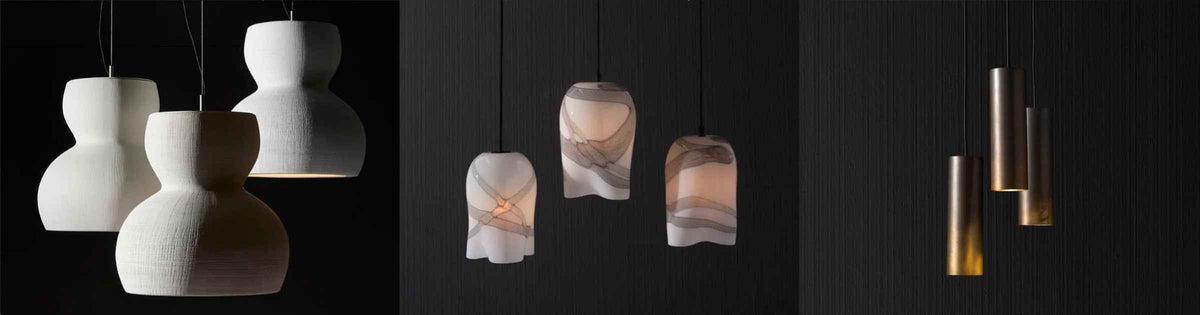
A substantial pendant like the Oki Tenjo works particularly well in dining spaces, where its scale and sculptural shape anchor the room visually.
Hanging a larger pendant over the dining table helps the space feel planned and put together, without feeling heavy or crowded.
Dining room pendants are also a great place to experiment with materials or shapes. Since the fixture becomes a focal point, it can add personality without the need for extra decor.
Pendant Lighting Ideas for Living Rooms
Pendant lighting in living rooms helps define different areas, which is especially helpful in open floor plans.
Placing a pendant above a seating area or reading corner gives the space a clear purpose without closing it off. This works well when you want soft, ambient lighting instead of a single harsh overhead light.
Pendant lights can also help balance living rooms with higher ceilings by bringing visual interest down into the space.
How Pendant Lighting Works in Bedrooms
Pendant lighting isn’t just for shared spaces. In bedrooms, the lights can replace traditional bedside lamps, freeing up nightstand space and helping create a clean, uncluttered look.
Hanging pendants on either side of the bed provides focused light for reading while keeping the room comfortable.
Choosing softer materials or warm bulbs helps keep the room feeling calm, making pendant lighting a practical but subtle bedroom choice.
How to Choose the Right Pendant Lighting for Your Home

1. Consider Room Size
Room size is one of the first things to think about when choosing pendant lighting. Larger rooms can handle bigger fixtures or multiple pendants without feeling crowded.
In smaller spaces, a single pendant or a more streamlined design usually works best. The goal is to add light and interest without overwhelming the room.
2. Pay Attention to Ceiling Height
Ceiling height affects both how a pendant looks and how well it works. In rooms with higher ceilings, longer pendants or adjustable cords help bring light down into the space.
For standard ceiling heights, compact fixtures hung at the right level provide plenty of light without blocking sightlines.
Getting the height right helps the light feel intentional, not distracting, and keeps the space comfortable to live in.
3. Choose the Right Light Bulbs
The bulb you choose plays a big role in how the space feels. LED bulbs are a popular option because they use less energy and last longer.
Warm light works well in living rooms and bedrooms, creating a softer feel, while brighter light can be helpful in kitchens or work areas.
Matching the bulb to how the room is used helps the lighting feel intentional.
Tips for Matching Your Home’s Style and Needs
Pendant lighting should work with your home’s design to enhance the overall look, rather than distract from it.
Clean lines and simple finishes fit well in modern spaces, while more detailed designs can add character to traditional rooms.
Think about how the fixture works with your furniture, finishes, and layout so the lighting feels cohesive and supports how you use the space every day.
If you want a deeper breakdown of sizing, placement, and style considerations, our guide on how to choose a pendant light walks through the details step by step.
Pendant Lighting vs. Other Lighting Fixtures
Pros and Cons of Pendant Lighting

Pendant lighting offers focused light where it’s actually needed, which makes it especially useful for everyday tasks.
Because pendants hang lower than many other fixtures, they provide direct illumination over tables, islands, and seating areas.
They also come in a wide range of styles, making them easy to fit into different types of homes. When paired with LED bulbs, pendant lights can be energy efficient as well.
The main drawback is placement. Pendant lights need to be hung at the right height and spaced properly. If they’re too low, they can block views or feel intrusive. If they’re too high, they may not provide enough usable light.
Best Spaces for Pendant Lighting

Pendant lighting works best in spaces where focused light and visual interest are both important.
Kitchens, dining rooms, reading areas, and modern interiors are all great examples. In these spaces, pendant lights help define how an area is used while adding character to the room.
When Pendant Lighting May Not Be the Best Fit
Pendant lighting may not be ideal in rooms with very low ceilings, where hanging fixtures could feel cramped.
It’s also not always the best choice if you need wide, even lighting across an entire space. In those cases, recessed lighting or flush fixtures can provide more uniform coverage without drawing attention to the ceiling.
Lighting That Fits How You Live
The benefits of pendant lighting have a bigger impact on your home than most people realize. The right fixtures help light the spaces where everyday life happens while also adding personality and structure to a room.
Thoughtful details, well-made materials, and clean finishes allow these fixtures to stand out without feeling overdone. When lighting is chosen with intention, it becomes part of your home’s style rather than something you barely notice.
If you’re thinking about updating your lighting, the team at RENG is here to help. We can guide you through choosing pendant lighting that fits your space, your style, and how you actually use your home.
Explore our collection and see how the right lighting can make a real difference.