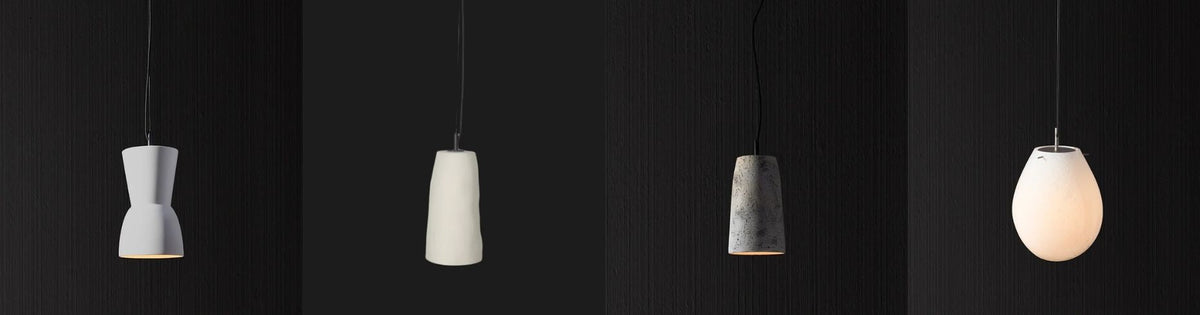
Article: Timeless Light Fixtures for Luxury Homes in 2026
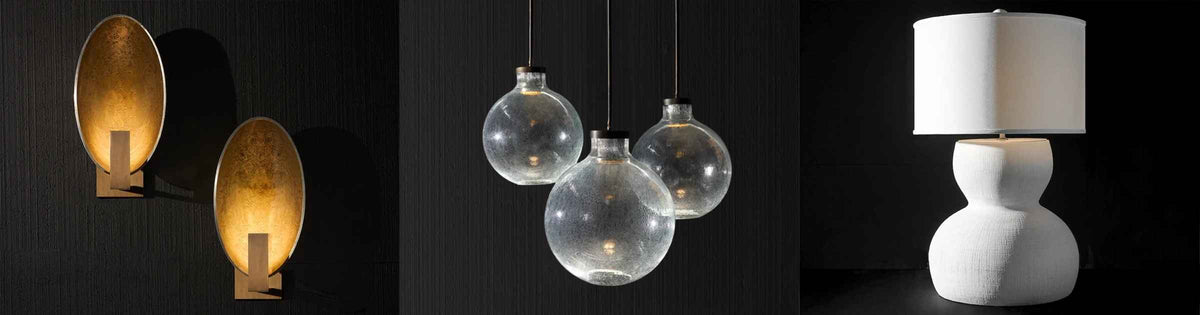
Timeless Light Fixtures for Luxury Homes in 2026
A fixture earns the word timeless only after years of living alongside changing rugs, repainted walls and at least one new sofa.
Timeless light fixtures for luxury homes are pieces whose shape, material and proportions suit the room they're in well enough to outlast whatever trend brought them to mind in the first place. They're chosen for how they relate to a space's architecture, lighting needs and maintenance realities, not for how they photograph in a single season.
The styles below have earned that staying power in real homes, along with the details that separate a fixture worth keeping from one you'll be replacing in five years.
6 Timeless Light Fixture Styles for Luxury Homes
No fixture style earns timeless status on its own. A glass pendant, a brass sconce and a ceramic lamp can all look dated within a few years or hold up for decades.
The difference usually comes down to how well the piece fits the room's architecture, proportions, materials and actual lighting needs rather than the style itself.
1. Glass Pendants with Rounded Silhouettes

Globe and schoolhouse pendants, both built around a simple rounded glass form, have stayed in steady rotation for a reason: a round silhouette doesn't argue with whatever furniture or cabinet finish comes next, the way a heavily patterned or sharply geometric shade can.
Clear glass shows the bulb directly, which looks clean but can glare at eye level over a counter, while textured or opal glass diffuses that same light into a softer glow without losing the shape.
RENG's Maru pendant is a good example of the style done well, a mouth-blown glass globe set on patina brass accents that reads sculptural without being fussy. These pendants suit kitchen islands, breakfast nooks and smaller dining spaces best, anywhere a single fixture needs to carry the room without overwhelming it.
2. Lantern Pendants
A lantern pendant's boxy, framed shape echoes the lines of a nearby window or doorway more directly than most other fixture types, which is part of why it reads so naturally in traditional and transitional interiors.
The frame itself carries real visual weight, so scale matters more here than with a lighter glass pendant: a lantern sized for a grand entry will swallow a breakfast nook. Open-frame versions show the bulb more than closed-glass ones do, and the same joints and panes that give a lantern its character also collect dust, so it's worth checking how easily the piece comes apart for cleaning before buying it.
Entryways, kitchens and breakfast areas are where lanterns tend to earn their keep.
3. Chandeliers with Balanced Forms

Timeless chandeliers have arms spaced evenly enough to look balanced from every angle in the room, whether that means six arms in a traditional ring or a tighter, more restrained contemporary cluster.
Width should track the table below it, roughly two-thirds the tabletop's length is a reasonable starting point, and arm spacing should keep the piece from feeling heavier on one side than the other.
Ceiling height and suspension length decide the rest: a chandelier hung too high loses its connection to the table, while one hung too low blocks sightlines across the room and puts bare bulbs directly in a seated guest's eye line.
Getting that eye-level glare right matters more over a dining table than almost anywhere else in the house.
4. Flush and Semi-Flush Ceiling Lights
Drum shades, glass bowls and compact geometric forms make up most of the flush and semi-flush category of timeless ceiling lights, and their appeal holds up because they solve a specific problem: a room with a low ceiling or a door that swings too close for a pendant to clear.
Bedrooms, hallways, entryways and other tight spaces are where these fixtures do their best work. Fixture depth and door clearance decide whether a semi-flush light will actually clear a swinging door, and light distribution is worth checking, too, since a shallow drum can throw light mostly downward and leave the upper walls dim.
Maintenance access matters as much as the look: a bowl shade that has to be fully unscrewed to change a bulb gets neglected faster than one with a simple drop-down fitting.
5. Simple Wall Sconces

Wall sconces hold up best when they stay restrained: a cylindrical form, a small shade or a simple metal arm, rather than anything ornate enough to date quickly.
RENG's Koeda Kabe sconce is a clean example, a white ceramic cylinder with an understated enough profile to work as either a decorative accent or a genuine light source depending on where it's mounted. That distinction matters when planning placement: a sconce meant to wash a wall or highlight an architectural detail sits differently than one meant to actually light a hallway or a reading nook.
How far the fixture projects from the wall and which direction the light is aimed, up, down or both, should factor into mounting height as much as the sconce's looks do.
6. Table and Floor Lamps with Fabric Shades

A lamp's base and shade need to read as a single proportioned object instead of two mismatched parts, and that relationship is the main thing separating a lamp that lasts from one that looks dated the moment trends shift. Column and double-gourd forms have stayed popular because that proportion is built into the shape itself.
RENG's Oki lamp pairs a white ceramic double-gourd base with fine surface detailing and a white linen shade, a combination that reads substantial without feeling heavy.
Shade diameter should scale to the base, and where the lamp sits changes what matters most: a console or bedside lamp needs a switch within easy reach, while a seating-area lamp needs its shade positioned so the bulb doesn't show from a seated angle.
Choosing Timeless Light Fixtures for Each Room
Picking a fixture style is only half the decision. The room it's going into decides which direction actually makes sense, since a lantern that's perfect over an entry table can be the wrong call entirely above a kitchen island.
Starting from what each room needs the light to do, then matching style to that, keeps the choice about daily use rather than a single photo.
|
Room |
Fixture Directions |
Main Selection Priority |
|
Kitchen |
Glass pendants, metal pendants, linear fixtures |
Usable light over work surfaces, clear sightlines, easy cleaning |
|
Dining Room |
Chandeliers, shaded fixtures, substantial pendants |
Table proportions, comfortable light, dimming |
|
Living Room |
Lamps, sconces, ceiling fixtures |
Light at multiple heights, usable light near seating |
|
Bedroom |
Lamps, bedside sconces, compact ceiling fixtures |
Reachable controls, comfortable bedside light |
|
Entryway or Hallway |
Lanterns, flush mounts, semi-flush fixtures |
Clearance, door swing, ceiling height |
|
Bathroom |
Mirror lighting, appropriate sconces |
Even light on the face, fixture rated for the location |
Timeless kitchen light fixtures, especially over an island, carry their own sizing and spacing questions worth getting right before buying, which RENG's guide to luxury kitchen island lighting covers in more depth.
Anyone deciding between one oversized pendant or a cluster of smaller ones can work through that choice in RENG's guide to choosing a pendant light.
Which Materials and Finishes Should You Choose?
Materials and finishes hold up longest when they relate to something permanent already in the room such as existing hardware, trim color or flooring, rather than a passing color trend, and when they match how much upkeep the owner actually wants to take on.
Brass, Bronze, Nickel and Dark Metal Finishes

Metal finishes read as intentional when they relate to a room's existing hardware or architectural details, a brass pendant over cabinetry with brass pulls, for instance, rather than standing alone.
It's worth knowing whether a finish is the base material itself or a plated or lacquered coating over something else, since the two age very differently and only one of them can be re-polished without replacing the fixture.
Glass and Crystal

Clear glass and cut crystal show every fingerprint and every bulb, so both tend to need more regular cleaning than textured or frosted alternatives.
Transparency and surface texture really come down to how much of the light source itself you want visible, and how often you're willing to wipe the fixture down to keep it looking that way.
Ceramic and Alabaster

Ceramic and alabaster fixtures carry natural variation piece to piece, since both come from handwork and raw material rather than a mold calibrated for uniformity.
That variation is part of the appeal, which is also the material pairing behind RENG's modern organic lighting approach. At the same time, checking a specific product's actual surface detail and form matters more here than with a mass-produced metal or glass fixture.
Fabric Shades
A fabric shade's color shifts the room's light as much as its proportions shift the lamp's silhouette, and both are worth checking against the room's other finishes before buying. Shades also wear and discolor faster than any other lamp component, so confirming that a replacement shade is actually available down the line is worth the extra minute it takes.
Appearance, construction quality and maintenance are three separate questions, and a fixture is worth judging on all three rather than letting a good-looking finish stand in for the other two.
What Should You Check Before Buying a Light Fixture?
A handful of practical checks separate a fixture that performs well for years from one that ends up in storage within a season.
Dimensions and Installation

Before anything else, a fixture needs to physically fit: room dimensions, ceiling height and whatever furniture sits underneath it all set real limits on fixture width, height and total hanging length.
Canopy dimensions matter for anyone replacing an existing fixture rather than wiring new, and weight and mounting requirements are worth confirming with whoever's doing the installation, since not every ceiling box is rated for a heavy chandelier without reinforcement.
Useful Light and Glare
A fixture should be doing a specific job, ambient, task or accent, and it's worth being honest about which one it accomplishes best before buying rather than assuming a single chandelier will cover all three.
Light output and distribution decide how evenly a room gets lit, visibility of the bulb itself decides how much glare a fixture throws at a seated eye level, and none of that happens in isolation from the room's daylight or whatever other fixtures are already in it.
Color Temperature and Color Rendering
Color temperature, measured in Kelvin, describes how warm or cool a bulb's light looks, and 2700K to 3000K is the range most living spaces land in because it reads close to how incandescent light has always looked. The only reliable way to judge it is next to the room's actual finishes and furnishings, since a bulb that looks fine on its own can clash with a specific wood tone or paint color.
Color rendering index measures how accurately a light source reveals an object's true colors compared with daylight, and it matters just as much as Kelvin for how true a room's actual colors and materials look once the fixture is installed.
Dimming and Controls
Not every bulb or integrated LED fixture dims the same way, and pairing the wrong dimmer with the wrong fixture shows up as flickering or a limited range rather than a smooth fade.
Confirm dimmer compatibility and check the manufacturer's specific recommendations before installation, along with how the fixture actually performs at the low end, since some LEDs lose color quality well before they visibly dim.
Maintenance and Replacement Support
Fixtures with standard replaceable bulbs are simpler to live with long term than integrated LED fixtures, which eventually need the whole light engine or driver replaced rather than a quick bulb swap. As such, it's important to know which category a fixture falls into before buying.
The same goes for replacement parts generally such as shades, glass panels and canopy hardware, since availability varies a lot by manufacturer. Cleaning instructions and what the warranty actually covers round out what you should confirm before checkout.
This kind of long-term thinking is what’s behind RENG's broader look at why lighting matters so much in interior design, which treats fixture choice as a structural decision rather than a decorating afterthought.
Conclusion
The fixtures that hold up over time share a few things in common: proportions that fit the room, materials that relate to something permanent nearby, and construction detailed enough to survive regular cleaning and the occasional bulb change.
Timeless lighting fixtures, whether a pendant, chandelier, sconce or lamp, earn that label by fitting a specific room and doing a specific job well, not by matching whatever happens to be trending in a given year.
To choose timeless lighting that fits your home, you need to work backward from the room's architecture and daily use rather than forward from a catalog photo.
Ready to find fixtures built to last in your space? Get in touch with RENG's design team to talk through your rooms, your materials and what each space actually needs from its lighting.