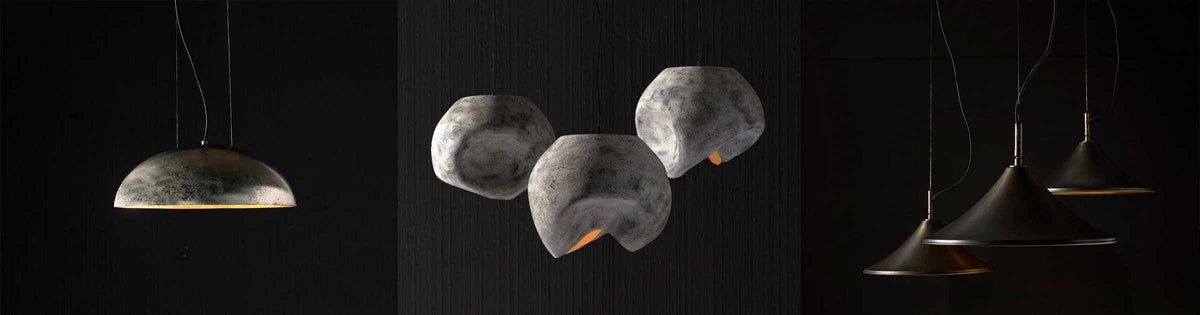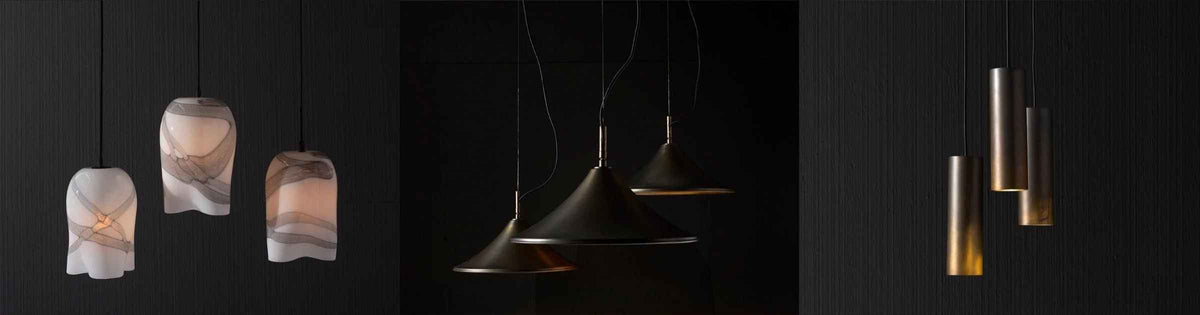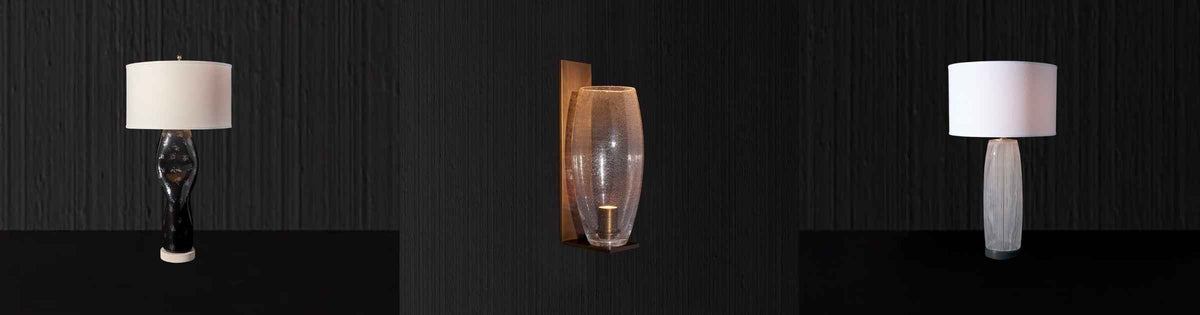
Italian Lamps - From Murano Glass Heritage to Modern Design
Italian lamps are atypical when it comes to interior lighting. To interior décor enthusiasts and professionals, they are objects of culture, craft, and memory.
As you explore the finest pieces of Italian lamp artistry, you’ll find categories from hand-blown Murano glass that captures light like a jewel to mid-century brass desk lamps that age into warm patina. Italian lighting blends art with function.
While many collectors pursue vintage Italian lamps for their beauty, most collectors explore Italian lamp varieties for the stories they carry. As stated earlier, the finest lamps bear workshop marks, glassworking techniques, and decades of wear, a way to show the authenticity and craft.
In this guide, you’ll explore why Italian lamps are iconic and how craftsmanship defines value. Furthermore, we’ll cover what makes Murano glass unique, and how to choose, care for, and display genuine pieces in your contemporary interiors.
Why Italian Lamps Are So Iconic

Italian design straddles art and utility with a particularly deft hand. Where you’ll come across mass-produced lamps that focus on economy, many Italian makers emphasize material, proportion, and finish. Three qualities explain their enduring appeal, which we will discuss below: material mastery, atelier tradition, and a design language to favor sculptural clarity.
Material Mastery
Italian makers work with premium materials. Many choose leaded and soda-lime glasses coming from skillful hands. Moreover, they use aged brass and bronze for hardware, alabaster and marble for bases, and hand-glazed ceramics.
The tactile qualities of these materials (how glass refracts, how brass warms under touch) make Italian lamps sensory objects as much as functional ones. More importantly, the way light passes through layered glass or reflects off a honeyed patina is central to the object’s presence.
Atelier Tradition
On the other hand, small studios and generational workshops preserve the techniques that mass production often abandons. Consider how glassblowers, metal-smiths, and ceramicists pass skills through apprenticeships.
It creates a lineage, which produces variation and nuance, because no two mouth-blown glass shades are identical, and subtle tool marks, therefore, become signatures of authenticity. Those respective, and small differences show evidence of human touch.
Design Language
You will notice how Italian lamps tend to avoid excess ornamentation. They prefer silhouette, curvature, and surface. A mid-century lamp might pair a simple globe with an elegant brass arm. Meanwhile, an artisanal contemporary piece may use striated glass to create textured light. Across eras, the emphasis has been, and will most likely remain, proportion and the interplay of light and material.
The Role of Craftsmanship in Italian Lighting

As we move on, it’s clear that craftsmanship is central to Italian lighting’s cachet. Unlike many modern fixtures that rely on injection-molded parts and automated finishes, Italian lamps frequently involve handwork at almost every stage.
Glass Techniques
Murano and other Italian glass centers use centuries-old methods. For instance, murrine (use patterned slices embedded in glass), sommerso (use layered color), zanfirico (use twisted filigree), and aventurine (use sparkling inclusions).
Every technique requires timing and dexterity. Consider how molten glass must be shaped before it cools and how color layers must fuse correctly. Similarly, filigree must integrate without compromising form. The result is glass that manages color depth, internal reflections, and surface texture in ways machine-made glass cannot replicate.
Metalwork and Finishes
When discussing Italian lamps, the hardware mostly remains hand-formed and finished. You will find burnished, hammered, or chemically patinated brass for achieving warm tones.
On the other hand, bronze is chased and waxed and nickel is often hand-brushed for subtle sheen. Even the smallest details, like screw heads, lamp collars, finials, are often chosen and finished by hand to match the lamp’s overall aesthetic.
Stone, Ceramics, and Textiles
Bases in alabaster or marble are cut and honed with care. Meanwhile, ceramics are wheel-thrown or slip-cast and finished with artisan glazes. Similarly, you will come across fabric shades tailored to match scale and translucence. This attention to detail defines the “luxury” of Italian lamps, which is a combination of material rarity and considered craft.
The Influence of Murano & Vintage Glasswork

Murano stands as shorthand for excellence in glass. The Venetian island’s furnaces developed techniques that spread across the world. Today, Murano glass lamps are popular for their color depth, clarity, and decorative techniques achieved without losing function.
Color and Technique
Murano glass often shows saturated hues and layered structures that seem impossible in ordinary glass. Sommerso pieces, where colored glass is encased in transparent layers, can create a floating, suspended effect.
Another type, Murrine, produces intricate mosaic-like patterns. And, reticello creates net-like textures. These techniques shape the way light moves through a shade to produce luminous depth and nuanced color shifts when you dim and brighten the lamp.
Rarity and Collector Value
Original vintage Murano pieces, especially those with maker labels or documented provenance, carry collectors’ interest. For instance, postwar Murano, 1950s through the 1970s, was a particularly experimental and high-quality period.
Today, collectors value intact factory labels, unusual colorways, and collaborative pieces. While most of them are from known designers, the collectors also value Italian lamps by their rarity.
Italian Lamps Through the Decades

Through mid-century modernism, Italian lighting has evolved into contemporary reinterpretations. Therefore, understanding the eras of craft frequently helps buyers contextualize pieces and value their authenticity.
Mid-Century Italian Lighting
Many mid-century designers simplified forms while exploring industrial possibilities and artisan finishing. As you explore iconic mid-century forms, you will find features such as blown-glass globes, adjustable brass arms, and slender floor lamp profiles. The mid-century aesthetic emphasized balanced proportions and functional elegance.
Postwar Design Innovation
After World War II, Italian makers combined traditional craft with material research. Plastics, enamels, and new metal treatments frequently appeared alongside continued glass innovation. As a result, this generated both accessible lighting for homes and high-end gallery-worthy pieces. The period’s experimental spirit produced strong, identifiable forms and finishes today classified as collectible.
Contemporary Interpretations
Contemporary Italian ateliers now marry tradition with technology. They create limited editions using Murano techniques while incorporating LEDs and modular drivers. Furthermore, many designers reinterpret vintage silhouettes with modern finishes and sustainable sourcing.
Most importantly, there’s a growing trend of repairable engineering introduced in classic Italian lamp varieties. This has led to buyers enjoying historic forms while meeting modern performance standards.
How to Identify Authentic Vintage or Antique Italian Lamps

How do you find authentic vintage lamps or antique Italian lamps? How do you make sure your purchase is worth the price? Here are a handful of practical checks that will help you confirm the origin and age.
Material and Glass Quality
Genuine vintage glass has depth, so look for density in color and natural variations such as tiny air bubbles or color streaks that indicate hand-blown processes. Meanwhile, heavy, balanced bases often indicate quality. But lightweight, poorly finished glass is a red flag.
Construction and Joinery
Make sure you examine the joint between socket and body, along with the quality of screws and shade attachments. Vintage lamps typically use sturdy brass fittings and precise threads. Since replacement wiring is common for safety, you should not treat modern cord as the sole authenticity marker. Instead, focus on structural cues, original fastenings, and metal patina consistent with age.
Signatures, Labels, and Stamps
Search for maker stamps on metal parts, paper furnace labels on glass, or incised signatures. Murano pieces frequently bear labels from the producing furnace, usually metal plates or stamped tags, to indicate workshop provenance. Bear in mind that labels can be added after the fact, so cross-check with construction and material cues.
Wear Patterns and Patina
You will also notice that genuine aging appears in logical places, such as the crevices, screw heads, and edges touched most often. Even polishing should show variation, and oxidation tends to appear differently across metals. If you see uniform distressing often points to artificial aging. However, congruent wear is an indicator of authenticity.
Electrical Components
Older lamps may have ceramic sockets or bakelite parts, but modern wiring is frequently a safety upgrade. If the lamp is rare, consult a restorer before altering components that could affect value. It is always recommended to acquire a professional condition report, which will be invaluable for high-end purchases.
Provenance and Documentation
Since provenance is a significant factor of consideration during the purchase, review:
- Auction records
- Catalog citations
- Gallery documentation
These things should help you confirm the age and, more importantly, provide a narrative that increases desirability and resale value. When available, request provenance and condition reports.
Where Italian Lamps Fit Into Today’s Interiors

Italian lamps are remarkably versatile and can anchor a wide range of aesthetics. Here are a few common examples:
Modern Minimal Homes
In minimalist interiors, a single understated Murano table lamp or a brass desk lamp can function as the solitary decorative object that defines a quiet space. Choose pieces with translucent or neutral-toned glass and simple bases if you wish to maintain serenity.
Artistic Eclectic Interiors
In collected, layered rooms, Italian lamps can add texture and narrative. You can mix a vintage Murano lamp with contemporary ceramics and textured fabrics to produce a layered, lived-in effect. It’s ideal to use color as a connective tissue and let glass hues echo textiles or artwork.
Warm Luxury Environments
Alabaster, onyx, and mouth-blown glass are ideal for tactile, warm interiors. You should place lamps to create intimate pools of light around seating, pairing finishes with walnut furniture or plastered walls for cohesive warmth.
Statement Moments
If you wish to make a statement, large blown-glass pendants and chandeliers can serve as dining or entryway centerpieces. Alternatively, a group of medium-sized vintage glass table lamps across a long console will let you introduce rhythm and color without overwhelming the space.
Note that scale and restraint are crucial here; one confident piece can be more effective than many small objects.
Tips for Selecting the Right Italian Lamp

If you plan to maximize your vintage Italian lamps, you must choose wisely. Here are a few important tips to help you avoid costly mistakes and ensure functional performance.
Start With Clarity About Function
Decide whether the lamp will serve as task, ambient, or accent lighting. This determines shade openness, lumen targets, and whether adjustable arms or directional heads are necessary.
Measure and Mock Up
Measure table surfaces and seating heights, and use paper templates to preview scale. A lamp that looks perfect in photos can be mis-scaled in situ, so turn to mockups to avoid disappointment.
Consider Rewiring and Safety
Always factor in rewiring costs. You can turn to a qualified restorer to preserve original hardware where possible while updating wiring, sockets, and switches to meet modern standards. Also, request safety documentation if buying remotely or paying premium prices.
Test Color Temperature and CRI
Since vintage glass table lamps often respond best to warm 2700K LEDs, it will help complement the color saturation and skin tones. For colored Murano pieces, high-CRI bulbs preserve the glass’s luminous quality.
Budgeting: Originals vs Contemporary Alternatives

If an original Murano or antique Italian lamp is out of budget, you can consider contemporary Italian studios that use traditional techniques or limited editions that echo vintage aesthetics. These can deliver handcrafted authenticity with modern reliability, while reproductions typically lack true provenance.
Maintenance and Conservation
Handle glass carefully and secure mountings. You should avoid abrasive cleaners and use soft microfiber cloth for cleaning. For brass, minimal polishing preserves patina; for alabaster and porous stone, avoid acidic cleaners. An important tip is to retain restoration records and photographs for provenance.
Buying Venues and Negotiation
Work with reputable dealers, auction houses, and vetted online marketplaces. To start with, you should request condition reports and provenance, and prioritize in-person inspection where possible. While negotiation is common, be prepared to walk away if documentation or condition is unclear.
Restoration, Repair, and Ethical Considerations
When restoring, preserve rather than erase. You should replace wiring for safety but retain original sockets if possible. Murano and fragile glass require specialist conservators, and amateur repairs can irreparably damage value.
Although rare, buyers often overlook the verification aspect. So, verify that antiques have been exported and sold legally and prefer contemporary makers who disclose material sourcing and labor practices.
Practical Buying Checklist and Glossary

Before purchase, use a short checklist to avoid pitfalls:
- Verify maker marks or labels
- Request condition reports and close-up photographs
- Confirm whether wiring has been professionally replaced
- Ask for provenance or catalog citations
- Insist on clear return policies for distant purchases
- View pieces in person where possible
Here’s a small glossary to help you decode auction descriptions and dealer notes:
- Murrine: patterned glass slices embedded in larger pieces
- Sommerso: layered glass producing a suspended color effect
- Reticello: crisscross filigree creating net-like visual texture
- Zanfirico: twisted cane filigree used as linear decoration
If you know these terms beforehand, it should improve your confidence in negotiation and evaluation during the purchase.
Wrap Up
Remember, the true value of vintage Italian lamps often transcends resale figures. They are tactile records of craft and tools for daily ritual, and more than often, conversation starters.
Whether as a vintage glass table lamp passed down through generations or a contemporary artisanal piece chosen for its subtle imperfections, Italian lamps are a deliberate choice.
They communicate an appreciation for material, technique, and design that lasts - so, spend time and choose with care.
Check out some of our hand-made Italian lighting collections.