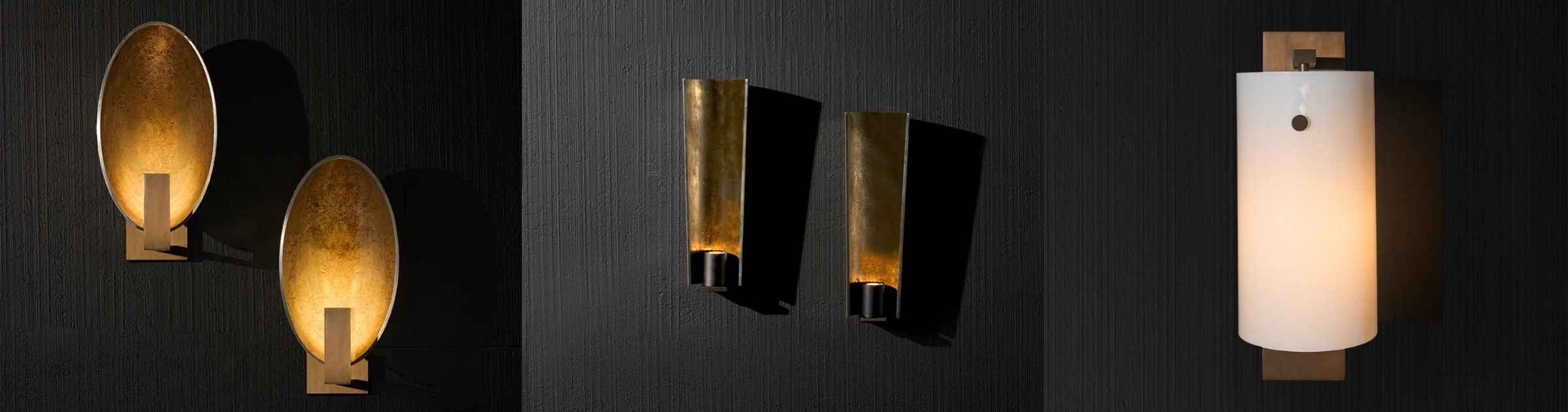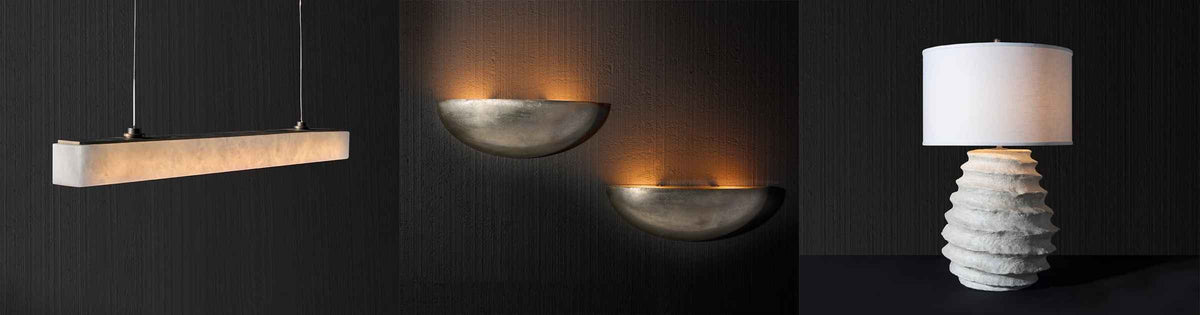
Accent Lighting Ideas for Any Interior
The right accent lights can turn plain walls, shelves, stairs, artwork, and ceiling details into the most memorable parts of a room. Instead of relying on one overhead fixture, accent lighting adds depth, warmth, and focus where your home needs it most.
Accent lighting ideas are ways to place directional or decorative light so it draws attention to a focal point, such as artwork, shelves, a fireplace, a textured wall, stairs, or outdoor architecture.
The best plan layers accent lighting with ambient light and task lighting, uses warm dimmable LEDs, and matches the fixture to the feature you want to highlight.
Key takeaways:
- Accent lighting works best when it highlights one clear focal point.
- The best rooms use ambient, task, and accent lighting together.
- LED accent lighting works well for shelves, cabinets, stairs, coves, and walls.
- Warm lighting ideas usually fit living rooms, bedrooms, hallways, and dining spaces.
- Good placement prevents glare, harsh shadows, and bright spots.
- Dimmers help accent lights shift from practical to soft and relaxing.
What Is Accent Lighting, and How Is It Different From Ambient and Task Lighting?

Accent lighting is lighting used to draw attention to a specific object, surface, or architectural feature. It can highlight artwork, shelving, fireplaces, textured walls, ceiling details, plants, stairways, or outdoor areas.
It is different from ambient light, which gives a room its general brightness. It is also different from task lighting, which helps with specific activities such as reading, cooking, grooming, or working at a desk.
A well-designed room usually needs all three layers.
For example, in a living room, a ceiling light or chandelier may provide ambient light. A table lamp near the sofa may support reading. A picture light above artwork or recessed accent lighting aimed at a fireplace adds the final layer of focus and visual interest.
That is why ambient vs accent lighting is not an either-or decision. Ambient light helps you see the room. Accent lighting helps the room feel finished.
What Are the Best Accent Lighting Ideas for Each Room?
Different rooms need different types of accent lights. A kitchen may need under cabinet lighting and shelf lighting, while a bedroom may benefit from soft cove lighting, plug-in sconces, or warm table lamps.
The goal is to match the lighting fixture to the room, the mood, and the feature you want to highlight.
What Living Room Accent Lighting Ideas Work Best?

Living room accent lighting should make the room feel layered, comfortable, and flexible. Since living rooms are used for relaxing, entertaining, watching TV, and reading, the lighting should be easy to adjust.
Some of the best living room accent lighting ideas include picture lighting above artwork, wall sconces beside a fireplace, LED strips behind a TV, shelf lighting inside bookcases, and recessed accent lighting aimed at art or plants.
If the room has a fireplace, built-in shelving, or a large art wall, start there. One strong focal point usually works better than lighting every surface equally.
For a modern accent lighting look, pair warm recessed lights with wall sconces or a sculptural ceiling fixture. This creates contrast between architectural light and decorative lighting.
What Bedroom Accent Lighting Ideas Feel Warm and Relaxing?
Bedroom accent lighting should feel calm, low-glare, and warm. The goal is not to make the room as bright as possible. The goal is to create a comfortable place to wind down.
Strong bedroom accent lighting ideas include bedside wall sconces, cove lighting behind a headboard, LED strips under floating nightstands, soft picture lighting above artwork, and warm table lamps on dressers or nightstands.
Warm lighting ideas work especially well in bedrooms. A soft 2700K bulb can make the space feel more relaxed than a cooler white bulb. Dimmers are also important because bedroom lighting often needs to shift from practical to quiet and restful.
Avoid placing bright recessed lights directly over the pillow area. Even beautiful lighting can feel uncomfortable if it shines into your eyes while you are lying down.
What Kitchen Accent Lighting Ideas Add Detail?
Kitchen accent lighting should add depth to cabinets, counters, shelves, and island areas. It should not replace task lighting, but it can make the kitchen feel more polished at night.
Some of the best kitchen accent lighting ideas include under cabinet lighting, inside-cabinet lights for glass-front cabinets, toe-kick LED strips, shelf lighting for open shelving, pendant lights over islands, and recessed accent lighting for backsplashes or display niches.
Under cabinet lighting is one of the most useful forms of home accent lighting because it adds both mood and function. It can make counters easier to use while also adding a warm glow beneath the cabinets.
Open shelves are another strong place for LED accent lighting. Small strip lights or puck lights can highlight dishes, glassware, ceramics, or decorative objects without making the room feel cluttered.
What Bathroom Accent Lighting Ideas Are Safe and Stylish?
Bathroom accent lighting should add atmosphere while respecting moisture and safety needs. Since bathrooms often include mirrors, tile, glass, and water, fixture placement matters.
Good bathroom accent lighting ideas include backlit mirrors, wall washing on tile or stone, cove lighting above a vanity or tub, soft accent lights below floating vanities, and recessed accent lighting aimed at a feature wall.
Backlit mirrors are a popular option because they add a soft glow without taking up wall space. They can work well in both modern and transitional bathrooms.
If you want accent lighting inside a shower niche, near a tub, or close to water exposure, choose fixtures rated for that exact location. Damp-rated and wet-rated lighting should be used where needed.
What Hallway Lighting Ideas and Stair Lighting Ideas Guide the Eye?
Hallways and stairs are often treated as pass-through spaces, but accent lighting can make them feel intentional. These areas also benefit from soft guide lighting at night.
Useful hallway lighting ideas and stair lighting ideas include low stair lights, wall sconces down a long hallway, picture lights for hallway art, recessed wall washing, LED strips under handrails, and ceiling accent lighting in entryways.
A long hallway can feel plain with only one ceiling fixture. Adding picture lighting or a row of sconces gives the eye something to follow.
Stair lighting can also be practical. Low, warm lighting near steps makes movement easier at night without turning on bright overhead lights.
What Outdoor Accent Lighting Ideas Make a Home Feel Finished at Night?
Outdoor accent lighting can make a home feel more welcoming after sunset. It can also highlight architectural details, landscaping, walkways, and entry points.
Strong outdoor accent lighting ideas include uplighting trees or columns, sconces around the front door, step and path lighting, wall washing for stone or brick, and warm lights around patios or planters.
Outdoor accent lights should feel soft, not harsh. Too much brightness can make the exterior feel flat or uncomfortable. Warm, low-level lighting usually creates a more inviting effect.
Always use fixtures made for outdoor conditions. Indoor fixtures should not be placed outside unless the product is rated for that use.
Which Accent Lights Work Best for Each Focal Point?
The best type of accent lighting depends on what you want to highlight. Artwork, shelving, fireplaces, ceilings, and outdoor areas all need different solutions.
|
Accent light type |
Best for |
Avoid if |
|
Picture lighting |
Artwork and gallery walls |
Art is very large or highly reflective |
|
Wall sconces |
Hallways, fireplaces, and bedrooms |
Wall space is limited |
|
Recessed accent lighting |
Art, fireplaces, and textured walls |
You cannot add ceiling wiring |
|
Track lighting |
Art walls and flexible rooms |
You want a very minimal ceiling |
|
Cove lighting |
Ceilings, headboards, and trim |
The room lacks molding or ceiling detail |
|
Under cabinet lighting |
Kitchens, bars, and built-ins |
The cabinet layout is uneven |
|
Shelf lighting |
Bookcases, niches, and displays |
Open wiring would show |
|
Table lamps |
Living rooms and bedrooms |
You need a fixed architectural effect |
|
Outdoor accent lighting |
Facades, paths, and gardens |
Fixtures are not weather-rated |
Picture lighting is best when you want a direct, decorative way to highlight artwork. Wall sconces work well when you want warmth at eye level. Recessed accent lighting and track lighting are better when you need direction and flexibility.
Cove lighting and LED strips are ideal when you want a glow rather than a visible fixture. They work especially well around ceilings, shelves, headboards, and built-ins.
How Should Accent Lighting Be Placed?

Accent lighting placement should start with the feature you want to highlight. Do not start with the fixture first. Start with the focal point, then choose the lighting style that fits it.
Pick one to three focal points in a room. These may include artwork, a fireplace, built-ins, a textured wall, a ceiling detail, a plant, or a display shelf.
Directional lights should be aimed at the object, not at the viewer’s eyes. Wall lights should add warmth without creating glare. LED strips should be hidden so only the glow is visible.
A common mistake is lighting too many features in the same room. When everything is highlighted, nothing stands out.
How Do You Light an Accent Wall?

Accent wall lighting ideas depend on the wall material and the effect you want.
Wall washing gives a soft, even spread of light across a wall. It works well for painted walls, large art walls, and narrow rooms that need more visual width.
Wall grazing places light closer to the surface, which brings out texture. This works well for stone, brick, fluted wood, plaster, and tile.
Cove lighting and LED strips are better for indirect glow. They are often used behind panels, inside ceiling details, or around built-in features.
Glossy surfaces can reflect light sharply, so test placement before final installation.
What Color Temperature and Bulbs Are Best for Accent Lighting?
Most interior accent lighting looks best with warm, dimmable LEDs. LEDs are available in many fixture styles, including strips, recessed lights, sconces, picture lights, pendants, and bulbs for table lamps.
For living rooms, bedrooms, dining rooms, and hallways, 2700K is usually a strong choice. It feels warm, soft, and inviting.
For kitchens and bathrooms, 3000K can work well because it looks a bit cleaner while still avoiding a cold feel.
High CRI bulbs are helpful when lighting art, wood, stone, fabric, or decorative finishes because they show color more accurately. This matters when the feature itself is the reason for the light.
Avoid mixing very warm and very cool bulbs in the same view. If one wall has warm lighting and the next has cool lighting, the room can feel visually uneven.
What Accent Lighting Ideas Are Easy to Install?

Not every accent lighting idea requires renovation. Some options are easy to add, while others need planning, wiring, and professional installation.
Easy accent lighting ideas include plug-in wall sconces, battery or rechargeable picture lights, peel-and-stick LED strips, table lamps, floor lamps, clip-on shelf lights, and smart bulbs in existing lamps.
These are good choices for renters, quick room updates, or anyone who wants to test a lighting idea before committing to hardwired fixtures.
Table lamps and floor lamps are especially flexible. A lamp placed near a plant, chair, console, or artwork can add a softer accent without any wiring.
What Accent Lighting Ideas Need an Electrician?

Some lighting ideas should be installed by a licensed electrician, especially when wiring, ceilings, stairs, bathrooms, or outdoor spaces are involved.
These include recessed accent lighting, hardwired wall sconces, cove lighting, outdoor accent lighting, bathroom lights near wet areas, stair lighting connected to wall switches, and ceiling accent lighting.
Hardwired fixtures can give a cleaner, more permanent look, but they need proper placement. Before cutting into walls or ceilings, map out the focal point, switch location, dimmer needs, and bulb temperature.
What Accent Lighting Mistakes Should You Avoid?
The most common accent lighting mistakes include using it as the only light source, choosing bulbs that are too cool, skipping dimmers, and lighting too many focal points.
Other mistakes include leaving LED strip dots visible, placing lights where they shine into your eyes, or using indoor fixtures outdoors.
Another common issue is poor scale. A tiny picture light may look weak above a large piece of art, while an oversized sconce may overpower a narrow hallway.
Accent lighting should support the design of the room. It should not feel random or disconnected from the furniture, finishes, and layout.
FAQs About Accent Lighting Ideas
I. What is the purpose of accent lighting?
Accent lighting draws attention to a specific feature, such as artwork, shelving, a fireplace, stairs, or a textured wall. It adds depth and mood, but it should work with ambient and task lighting rather than replace them.
II. What are the best accent lighting ideas for a living room?
The best living room accent lighting ideas include picture lights, wall sconces, fireplace accent lighting, shelf lighting, recessed art lights, and LED strips behind media walls. Use dimmers so the room can shift from bright to relaxed.
III. Is accent lighting the same as ambient lighting?
No. Ambient lighting gives the whole room general brightness, while accent lighting highlights a feature or smaller area. A room usually feels better when both are used together.
IV. How bright should accent lights be?
Accent lights should be bright enough to stand out from the surrounding light, but not so bright that they create glare. Dimmers make this easier because you can adjust the brightness for daytime, evening, and entertaining.
V. What color temperature is best for accent lighting?
Warm white light around 2700K is a strong choice for living rooms, bedrooms, dining rooms, and hallways. Kitchens and bathrooms can work well around 3000K when a cleaner look is preferred.
VI. Are LED strips good for accent lighting?
Yes, LED strips work well for shelves, cabinets, coves, stairs, toe-kicks, and headboards. For the best result, hide the strip itself and show only the glow.
VII. Can accent lighting make a small room look bigger?
Yes. Wall washing, cove lighting, and softly lit corners can make a small room feel more open by reducing dark edges and adding depth. Avoid harsh spotlights in small rooms because they can create busy shadows.
VIII. What accent lighting is best for renters?
Renters can use plug-in sconces, rechargeable picture lights, table lamps, floor lamps, adhesive LED strips, and smart bulbs. These options add mood without major wiring.
IX. Do bathroom and outdoor accent lights need special ratings?
Yes. Bathroom and outdoor accent lighting should be chosen for the moisture or weather exposure in that area. Wet zones and outdoor locations need properly rated fixtures.
Conclusion
The best accent lighting ideas begin with a focal point. Once you know what you want to highlight, you can choose the right fixture, placement, bulb warmth, brightness, and control style.
Accent lighting is the detail that makes a room feel layered, warm, and complete. It can highlight artwork, soften a bedroom, add depth to a kitchen, guide the eye through a hallway, or make an outdoor entry feel more welcoming.
Ready to pair accent lights with a stronger ceiling focal point?
Browse RENG’s hanging lights to find sculptural ceiling fixtures that work beautifully with wall, shelf, recessed, and LED accent lighting.